
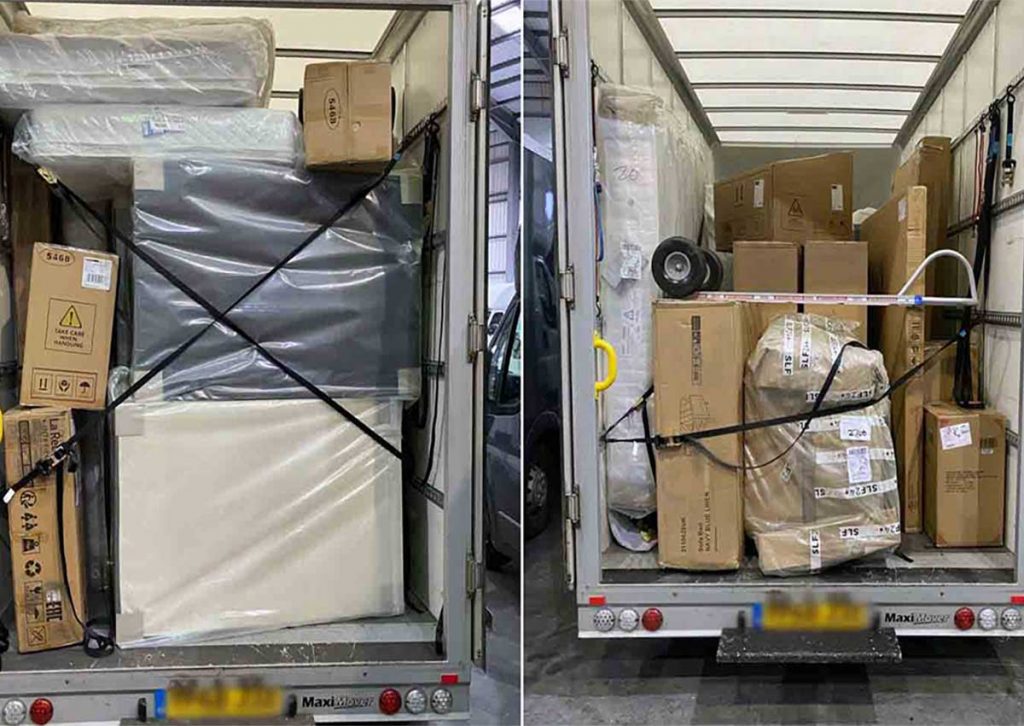
An end of tenancy clearance is the job of taking everything that should not be in a rented property out of it before the keys go back, so the inventory check, the cleaners and the next tenants can follow. It can be arranged by the outgoing tenant who has run out of time, or by the landlord or agent after someone has left furniture, bags and bits behind. Either way the aim is the same: an empty, clear property on a fixed date.
LMD Logistics carries out house clearances from our yard at O'Briens Yard, Durham Road, Birtley, with a van and a crew of two or three, seven days a week between 8am and 8pm. This guide sets out what the work really involves so you can plan it properly, whichever side of the tenancy you are on.
Tenant or landlord: who is clearing, and why it matters
When the tenant books, the clearance is usually the tail end of their own move. The good things go to the new home, and what is left is the stuff nobody wants to carry: a broken bed base, a wardrobe that would not survive another move, the contents of the loft or the shed. Clearing it properly is often what protects the deposit, because items left behind are a common reason for deductions.
When the landlord or letting agent books, the property is normally already vacated and the job is recovering it. Rooms may be full or almost empty, there may be rubbish in the garden, and the clock is running because every day empty is a day without rent. In that case the key detail is access: who holds the keys, whether someone needs to meet the crew, and whether any items have to be kept aside for the owner.
What an end of tenancy clearance usually covers
Some items need a conversation before the day, for example anything hazardous, or things the crew cannot carry. Our guide to what we cannot transport lists those, and it is worth reading before you book so nothing is left behind by surprise.
- Furniture the tenant does not want: beds, sofas, wardrobes, tables and chairs.
- Bagged household items and boxes left in rooms, cupboards and under stairs.
- Loft, garage and shed contents, which are easily forgotten until the last day.
- Garden items such as old furniture, pots and bags.
- Anything the landlord has asked to be removed before new furniture arrives.
Keep, move, store or clear
A clearance is rarely all or nothing. A tenant might want most things gone but a few pieces taken to a new address. A landlord might want the property emptied but a set of good furniture kept for the next let. Because we also do removals and storage, those can happen on the same visit: items for keeping go on the van to the new address or to our storage at the Birtley yard, and the rest is cleared.
The simplest way to make this work is to label. Put a coloured sticker or a note on everything that stays, and tell us on the quote what is going where. A crew working fast in an empty property should never have to guess.
How to get the clearance right first time
- Book the clearance before the checkout and the cleaners, not after them.
- Walk every room, the loft and the outbuildings and list what is there, or send photos.
- Say how far the van can park from the door and whether there are stairs or a lift.
- Tell us about anything that needs dismantling, such as fitted beds or large wardrobes.
- If you will not be there, agree how the crew gets the keys and who confirms the job is done.
Clearing between tenants for landlords and agents
Landlords and letting agents with more than one property tend to need the same thing over and over: a quick clearance, sometimes a furniture swap, and occasionally storage for surplus pieces. Our separate guide on tenancy changeovers covers the wider turnaround, including delivering and placing replacement furniture. This page is about the clearance step itself, which is the part that most often holds everything else up.
Why a professional crew instead of a skip
A skip needs somewhere to sit, often a permit on the road, and someone to carry everything out and lift it in. A crew with a van does the carrying from inside the property, works in all weathers and leaves nothing on the pavement. It also means the clearance is carried out under our goods in transit and public liability cover, which matters in a rented home where scuffed walls and doorframes are exactly what the inventory check looks for.
Common questions
Can you clear a rented property if I am not there?
Yes, as long as access is agreed in advance, for example keys left with the agent, and you tell us clearly what stays and what goes.
Can some items go to my new address on the same day?
Yes. Because we do removals too, items you are keeping can go on the van to your new home or into storage at our Birtley yard while the rest is cleared.
Do landlords book this as well as tenants?
They do. Landlords and letting agents book clearances between tenancies, often with a furniture swap or storage on the same visit.
Related services
- House Clearance in Durham — Full or part clearances for probate, tenancy changeovers and downsizing, handled respectfully.
- Removals in Durham — Small or large home moves over short or long distances — fully insured.
- Storage in Durham — Short or long term storage at competitive rates with immediate availability.
Areas this applies to
- Durham — DH1
- Darlington — DL1 / DL2 / DL3
- Chester-le-Street — DH2 / DH3